In this article
In most organisations, AI arrived in marketing before the policy did. Someone used an assistant to draft a post, then a summary, then a first version of a brochure. Within months it became part of how content gets made, often without anyone deciding that it should.
What "shadow AI" means
Shadow AI is the use of AI tools at work outside an agreed standard: on personal accounts, with no shared rules, and with no record of where AI was involved. It's rarely careless. Usually it's capable people trying to do more with less time.
The issue isn't that people use AI. It's that every person uses it differently, and nobody can say with confidence what is being produced, how, or with what checks.
Why it happens
- The tools are easy. They're available in a browser tab, often free, and useful within minutes.
- The pressure is real. Content volumes rise while teams stay the same size.
- Policies arrive slowly. A formal AI policy can take months, and often describes what is not allowed rather than how to do the work well.
Why a ban rarely works
Some firms respond by restricting AI altogether. In practice, a ban tends to move use out of sight rather than stop it, and the firm loses the productivity it could have had. The more useful question is not "should our team use AI?" but "what standard should it use AI to?"
The risks that matter in financial marketing
In most industries, uneven AI use costs some quality. In financial services, it can cost more.
- Accuracy. AI can state things confidently that aren't true. A wrong figure or an unsupported claim in investor communication is a regulatory problem, not a typo.
- Disclosures. AI-assisted drafts can soften or drop the caveats and disclosures that regulated content requires.
- Confidentiality. Pasting unreleased product details or client information into a public tool can create exposure the team didn't intend.
- Voice drift. Ten people using ten styles of prompt produce ten versions of the brand.
- Review load. When compliance can't tell how content was produced, it has to check everything harder, and approvals slow down.
What a standard looks like
A good standard is short, specific and owned by the team that uses it. It usually covers five things.
1. Delegate, assist, never touch
Agree which tasks AI may draft, which it may only assist with, and which it must never touch. Summarising a research note might be delegated; a performance figure or a regulatory disclosure might be "never touch".
2. Ownership
Name who owns the standard, who signs off AI-assisted content and who is accountable when something goes wrong.
3. One review gate, early
Instead of compliance seeing everything at the end, agree a single checkpoint at the point of creation, designed with compliance. The same rigour, once and early, is faster than repeated late reviews and gives compliance more control, not less.
4. Prompts with guardrails
A shared library of prompts built from the team's own work, each with its own rules: when to refuse, where a human must check, and what it must never claim.
5. A record of training
Keep a record of who has been trained and to what level. For firms with European operations, the EU AI Act has required providers and deployers of AI systems to ensure sufficient AI literacy among their staff since 2 February 2025, and a record makes that easier to show.
The principle: AI doesn't replace marketers. It multiplies them. A standard decides whether it multiplies quality or multiplies risk.
Getting started in 30 days
- Week 1: find out how AI is used today. Ask the team, without blame, which tools they use and for what.
- Week 2: draft "delegate, assist, never touch" for your five most common content types.
- Week 3: design the review gate with compliance and agree who signs off.
- Week 4: write it on one page, share it, and measure turnaround time before and after.
How BYLAAR helps
BYLAAR Academy's two-day programme, AI for Marketing & Communications Teams, takes a team through exactly this, using its own work. Built on the TRUST-AI™ framework, it ends with the team's own Team AI Operating Standard, a prompt library with guardrails, a review gate designed with compliance, and a dated certificate for every participant.
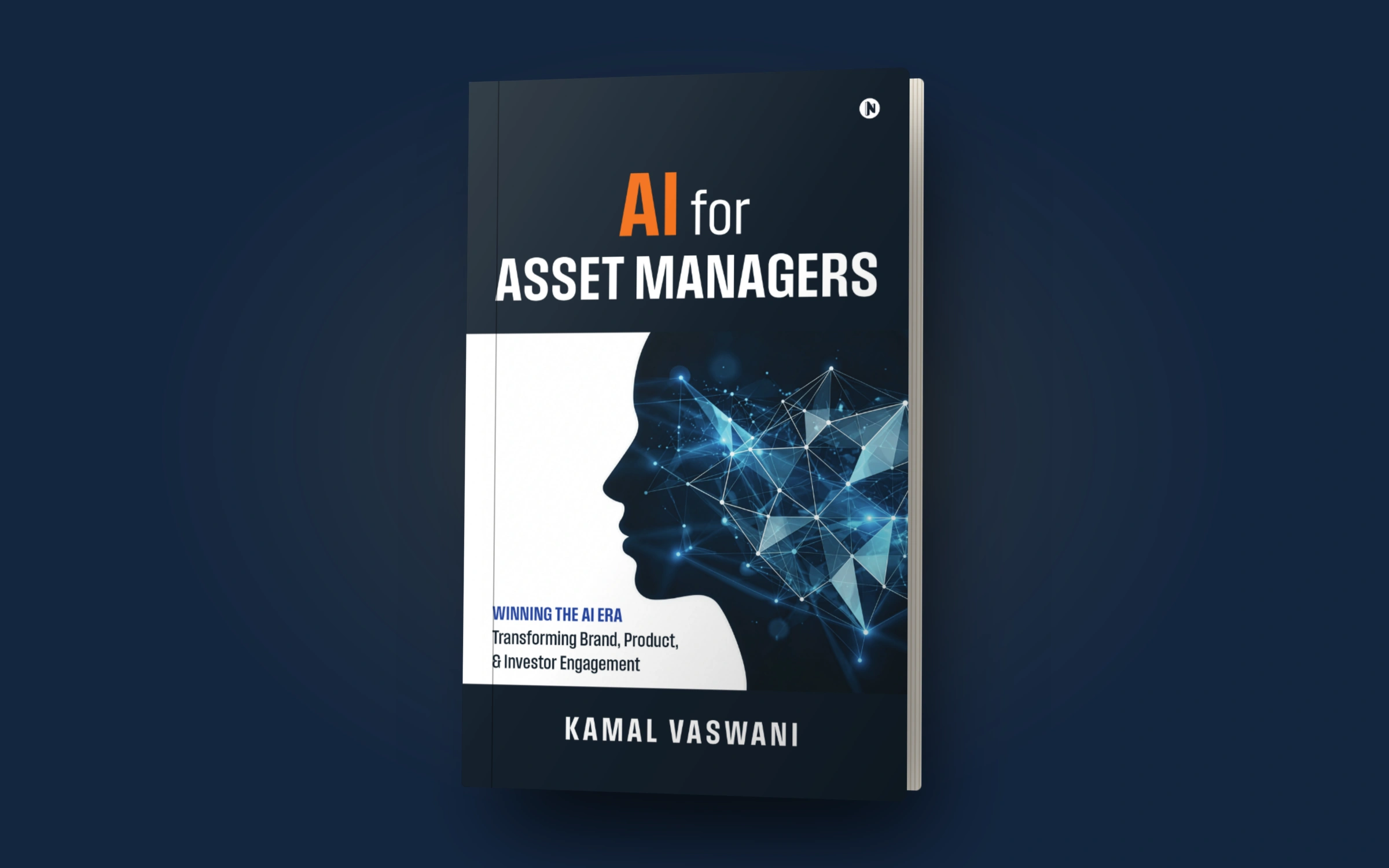
Kamal Vaswani is the author of AI for Asset Managers: Winning the AI Era, available on Amazon, Flipkart and Ingram. She is the founder of BYLAAR and the creator of the TRUST-AI™ framework.
 Written byKamal VaswaniFounder, BYLAAR · Author, AI for Asset Managers: Winning the AI Era